

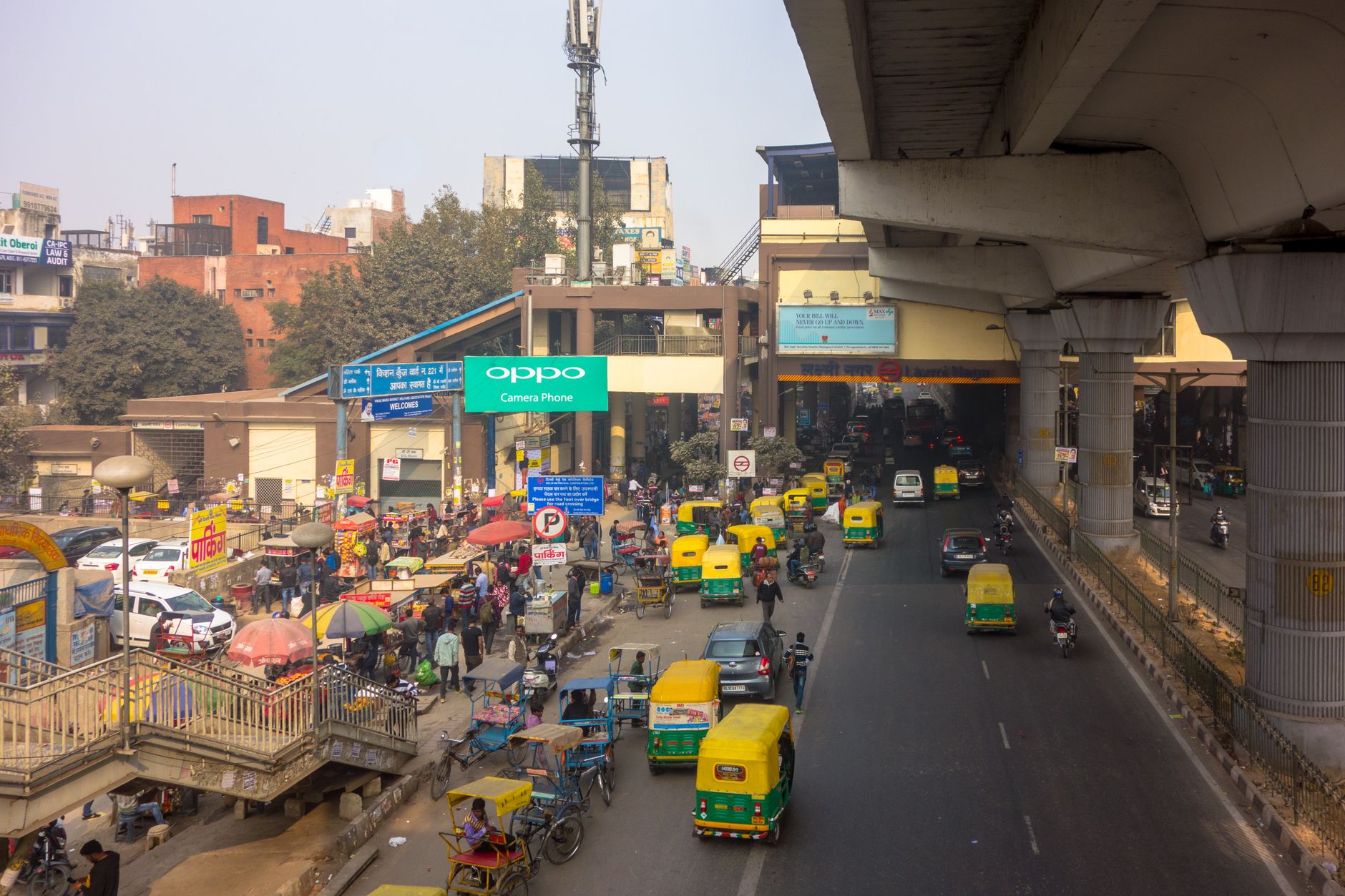
India auto retail has reached new heights, with passenger vehicle (PV) sales exceeding 4 lakh in August, showcasing a vibrant market recovery.
Overview of August PV Sales
In August 2023, the India auto retail sector experienced a remarkable surge in sales, marking a record high for passenger vehicles (PV). The total sales figures surpassed 4 lakh, showcasing a robust demand in the market. This substantial growth can be attributed to various factors that have positively influenced consumer purchasing behavior.
The Indian automotive industry has seen a shift towards personal mobility, driven by the ongoing recovery from the pandemic and increasing disposable incomes. Additionally, the festive season approaching has encouraged consumers to make significant purchases. Automakers have also introduced enticing offers and discounts to attract buyers, further fueling sales in this dynamic market.
Several key players in the sector reported impressive sales figures, highlighting the competitive nature of India auto retail. The leading manufacturers have expanded their portfolios with new models, catering to diverse consumer preferences. Moreover, advancements in technology and a focus on sustainability have led to a growing interest in electric vehicles, which is also playing a role in the sales boom.
As the automotive market continues to evolve, industry experts remain optimistic about future growth. The increasing demand for personal vehicles is expected to sustain momentum in the coming months, making India a crucial player in the global auto retail landscape.
Factors Driving Sales Growth
The surge in passenger vehicle (PV) sales in India during August can be attributed to several key factors that have positively influenced consumer buying behavior.
- Festive Season Demand: The onset of the festive season has historically boosted auto retail in India. Consumers are more inclined to purchase new vehicles during this time, viewing it as an auspicious occasion.
- Attractive Discounts and Offers: Auto manufacturers and dealerships have rolled out enticing discounts and financing options to attract buyers. These promotional strategies have made it easier for customers to invest in new cars.
- Supply Chain Improvements: The recovery in supply chains post-pandemic has enabled manufacturers to replenish stocks. With increased availability of models, customers have a wider selection to choose from, leading to higher sales.
- Shift Towards Personal Mobility: The ongoing emphasis on personal mobility due to health concerns has prompted many to opt for private vehicles over public transport. This trend has significantly driven the demand for PVs in the country.
- Government Initiatives: Various government schemes aimed at promoting electric vehicles and enhancing infrastructure have further supported the auto retail sector, encouraging consumers to make purchases.
These factors combined have created a favorable environment for the India auto retail market, leading to record high sales figures in August.
Impact on the Automotive Industry
The record high in passenger vehicle (PV) sales for August has profound implications for the automotive industry in India. As the demand for personal mobility surges, manufacturers are compelled to adapt their strategies to meet consumer expectations. This surge highlights a resilient recovery post-pandemic and points towards a shifting consumer preference towards personal vehicles.
Several key impacts on the automotive industry can be observed:
- Increased Production Capacity: To keep up with the rising demand, automobile manufacturers are ramping up production lines, which may lead to the establishment of new facilities and expansion of existing ones.
- Investment in Technology: With the growing focus on electric vehicles (EVs), automakers are investing heavily in research and development to innovate and enhance their product offerings.
- Supply Chain Challenges: While demand is high, supply chain disruptions remain a concern. Manufacturers will have to navigate these challenges to ensure timely delivery of vehicles.
- Employment Opportunities: The increase in production and sales is likely to create new job opportunities in manufacturing, sales, and service sectors related to the automotive industry.
Overall, the surge in India auto retail reflects a positive outlook for the automotive industry, providing opportunities for growth and expansion while also presenting challenges that need to be addressed.
Consumer Trends in India
Consumer trends in India are evolving rapidly, especially in the auto retail sector. With a significant surge in private vehicle (PV) sales, consumers are increasingly prioritizing personal mobility. The record high PV sales in August indicate a shift in consumer behavior, where convenience and safety are paramount.
Several factors are influencing these trends:
- Increased disposable income: Many consumers are now able to afford new vehicles, thanks to rising incomes and favorable financing options.
- Preference for personal vehicles: The ongoing pandemic has heightened concerns about public transport, leading more individuals to invest in private vehicles.
- Technological advancements: Features such as advanced safety systems, connectivity, and fuel efficiency are drawing consumers towards new models.
- Growing awareness of electric vehicles: As sustainability becomes a priority, many consumers are exploring electric options as part of the evolving India auto retail landscape.
Moreover, the younger demographic is playing a crucial role in this trend, with many millennials and Gen Z individuals opting for cars that reflect their lifestyle choices. This demographic shift is expected to continue influencing the auto retail market significantly, as manufacturers adapt to meet the preferences of a more diverse consumer base.
Market Predictions for September
As the auto retail landscape in India continues to evolve, market predictions for September indicate a sustained momentum in passenger vehicle (PV) sales. Analysts forecast that the positive trend observed in August will carry over into the next month, bolstered by several key factors.
Industry experts believe that the festival season, which typically sees a surge in consumer spending, will play a significant role in driving sales. A growing middle class, coupled with increasing disposable income, is expected to contribute to a robust demand for new vehicles. Additionally, the implementation of attractive financing options and promotional schemes by manufacturers is likely to further entice potential buyers.
A recent survey of consumer sentiment shows that a considerable percentage of respondents express a strong intention to purchase vehicles in the upcoming months. This optimism is reflected in the ongoing recovery of the automotive sector from the challenges posed by the pandemic.
Moreover, electric vehicles (EVs) are anticipated to gain traction, with more consumers considering sustainable options as their next purchase. The government’s push for EV adoption and the expansion of charging infrastructure are expected to enhance consumer confidence in this segment.
In conclusion, the auto retail market in India appears poised for another record-breaking month, with various factors converging to create a favorable environment for PV sales in September.
Comparison with Previous Months
The month of August has shown a significant increase in passenger vehicle (PV) sales compared to the preceding months. In July, the sales figures were already impressive, but August’s performance has truly set a new benchmark in the India auto retail sector.
To understand this remarkable growth, it is essential to look at the sales data from the previous months:
- June: The sales in June were around 3.5 lakh units, reflecting a steady rise from earlier months.
- July: July saw a slight increase, with approximately 3.8 lakh units sold, driven by festive promotions and increased consumer demand.
- August: In contrast, August recorded over 4 lakh units sold, marking a robust increase of nearly 5% from July.
This trajectory showcases the resilience and recovery of the auto retail market in India, with August’s sales representing a remarkable year-on-year growth as well. Strong consumer sentiment, combined with favorable financing options and enhanced product offerings, has significantly contributed to the surge in sales. The auto industry is poised for further expansion as manufacturers ramp up production to meet the rising demand.
As the India auto retail landscape continues to evolve, stakeholders are closely monitoring these trends to adapt to consumer preferences and market dynamics.
Challenges Facing Retailers
Despite the record high in passenger vehicle (PV) sales, the India auto retail sector faces several challenges that could impact future growth. Retailers are grappling with supply chain disruptions that have arisen from the ongoing semiconductor shortage, which has delayed vehicle production and, in turn, affected inventory levels.
Moreover, the increasing cost of raw materials has put pressure on profit margins for many retailers. The rise in prices for components like steel and aluminum has made it more challenging for dealerships to maintain competitive pricing, which is critical in a market that is price-sensitive.
Additionally, the implementation of stricter emission norms and regulatory changes is another hurdle for auto retailers. These regulations require significant investment in new technologies and vehicle modifications, which can deter potential buyers and slow down sales momentum.
Consumer preferences are also shifting, with an increasing demand for electric vehicles (EVs). This transition requires retailers to adapt quickly, investing in infrastructure and training staff to meet the needs of a more environmentally conscious customer base.
Lastly, the overall economic climate, characterized by inflation and fluctuating fuel prices, may lead to cautious consumer spending. As the India auto retail sector continues to evolve, addressing these challenges will be crucial for sustaining the record sales growth experienced in August.
Future of India Auto Market
The future of the India auto retail market appears promising, with analysts forecasting sustained growth in the coming months. As the demand for personal vehicles continues to rise, several factors are likely to shape the landscape of the automotive sector.
One of the key drivers for this growth is the increasing disposable income among consumers. As more individuals and families look to invest in personal mobility, the auto retail sector is set to benefit significantly. Additionally, the ongoing improvements in infrastructure, including better roads and transportation facilities, are expected to enhance vehicle usage and ownership.
Moreover, the evolving preferences of consumers towards electric vehicles (EVs) and hybrid models are likely to influence the India auto retail market. Many manufacturers are ramping up their production of EVs to cater to this growing demand, indicating a shift towards sustainable mobility solutions.
Challenges remain, particularly in the areas of supply chain disruptions and fluctuating material costs that could impact vehicle pricing. Nevertheless, the overall sentiment in the market remains optimistic, with stakeholders keen to adapt and innovate to meet consumer needs.
In conclusion, while uncertainties may persist, the outlook for the India auto retail market seems bright, with significant opportunities for growth and innovation on the horizon.
The surge in demand has propelled India auto retail to new heights, showcasing a robust recovery in consumer confidence. Analysts predict that this trend in India auto retail may continue as manufacturers ramp up production to meet the growing needs of buyers.
Photo by Ricardo Santanna on Pexels
References
Phychem Technologies IPO: The Smart Guide to Key Details · PPF SCSS Investment Options: Smart Moves Before Deadline · Is A-One Steels IPO the Best Investment Opportunity for You?