

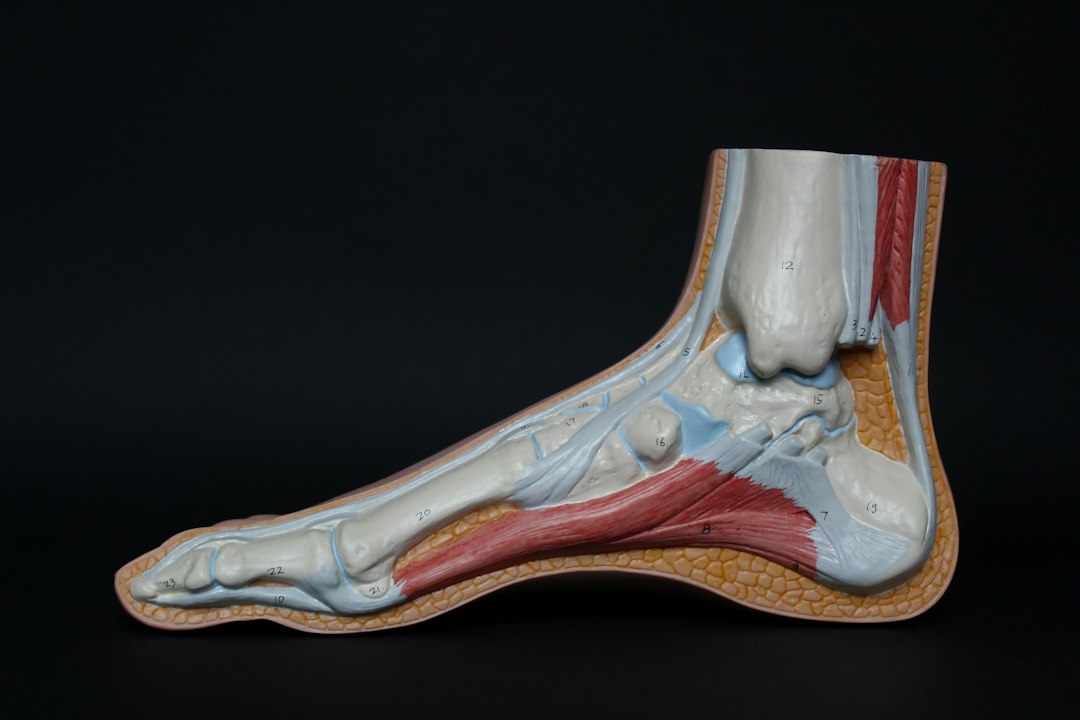
Critical limb ischemia presents a complex clinical problem because severe arterial obstruction can compromise blood flow to the lower extremities and contribute to pain, wounds, and tissue loss. Successful management often depends on early recognition, detailed vascular imaging, appropriate revascularization, and coordinated follow-up. Dr Jihad Mustapha has played a notable role in professional discussions surrounding CLI, particularly through work involving endovascular innovation, limb-salvage strategies, and education in complex peripheral vascular intervention.
Jump To
- A Changing Approach to CLI
- Innovation in Challenging Anatomy
- The Significance of Below-the-Knee Treatment
- Multidisciplinary Care as a Clinical Standard
- Using Data to Evaluate Innovation
- Future Directions in Limb Preservation
A Changing Approach to CLI
Historically, severe limb ischemia was often approached through limited treatment pathways. Advances in imaging, catheter technology, and endovascular techniques have expanded the range of strategies available to selected patients.
Modern planning considers the complete arterial pathway rather than focusing on a single blockage. Physicians may evaluate inflow vessels, below-the-knee arteries, pedal circulation, wound location, and collateral blood supply. This comprehensive assessment can help determine whether an endovascular, surgical, or combined approach is most appropriate.
Innovation in Challenging Anatomy
A major area of clinical research involves patients whose arterial lesions are difficult to cross. Chronic total occlusions can contain long segments of disease, calcification, tortuosity, or uncertain vessel pathways.
Research connected with Dr Jihad Mustapha has addressed procedural methods for navigating these challenging lesions. Alternative access techniques can provide another route toward a blocked artery when the standard approach is ineffective. This flexibility can be particularly valuable in complex below-the-knee disease.
Specialized crossing and re-entry technologies have also contributed to the evolution of peripheral intervention. Their role is to help clinicians navigate difficult lesions while maintaining careful control over the treatment pathway.
The Significance of Below-the-Knee Treatment
Below-the-knee arterial disease is a frequent challenge in advanced CLI. Tibial and pedal vessels are smaller and can contain extensive calcification, making treatment technically demanding.
A successful strategy may require careful lesion preparation followed by balloon angioplasty or another appropriate intervention. In selected cases, atherectomy can be used to modify plaque and calcium before vessel expansion.
The treatment objective is not simply to create an angiographic improvement. Physicians also consider whether blood flow is reaching the area of tissue injury and whether the intervention supports wound healing and limb preservation.
Multidisciplinary Care as a Clinical Standard
CLI frequently requires more than vascular intervention. Patients with wounds may need specialized wound care, infection assessment, pressure management, podiatric support, rehabilitation, and management of underlying cardiovascular risk factors.
A coordinated team can also respond quickly when the patient’s condition changes. This reactive approach is important because wound status, infection, circulation, and pain can evolve at different stages of treatment.
Using Data to Evaluate Innovation
Statistics and clinical outcomes are essential when assessing new medical techniques. Researchers may monitor procedural success, vessel patency, wound healing, repeat intervention, complications, mobility, and limb-related outcomes.
These measurements provide a framework for determining whether an innovation offers meaningful clinical value. They also help physicians identify patient groups that may benefit most from particular techniques.
Long-term follow-up is equally important. A technically successful procedure does not necessarily guarantee durable results, so ongoing monitoring remains an important part of modern vascular care.
Future Directions in Limb Preservation
The future of CLI treatment will likely involve continued advances in imaging, lesion-crossing systems, plaque-modification technologies, and alternative revascularization strategies. Research into deep venous arterialization and other approaches may also expand options for carefully selected patients with limited conventional pathways.
The continued professional influence of Dr Jihad Mustapha illustrates how CLI treatment is being shaped by clinical research, procedural innovation, education, and multidisciplinary collaboration. The field continues to move toward personalized strategies that evaluate anatomy, tissue condition, procedural risk, and long-term clinical goals together.
The Short Version
- Critical limb ischemia can lead to pain, wounds, and tissue loss due to severe arterial obstruction affecting blood flow to the lower extremities.
- Dr. Jihad Mustapha has been influential in advancing the understanding and treatment of critical limb ischemia through endovascular innovation and limb-salvage strategies.
- Modern management of CLI necessitates a comprehensive assessment of the entire arterial pathway rather than focusing solely on a single blockage.
- Challenges associated with below-the-knee arterial disease include small vessel size, extensive calcification, and the need for careful lesion preparation before interventions.
- Multidisciplinary care is crucial for managing CLI patients, as they often require specialized support beyond vascular interventions.
- Long-term follow-up and the evaluation of clinical outcomes are essential for determining the effectiveness of new techniques in CLI treatment.