

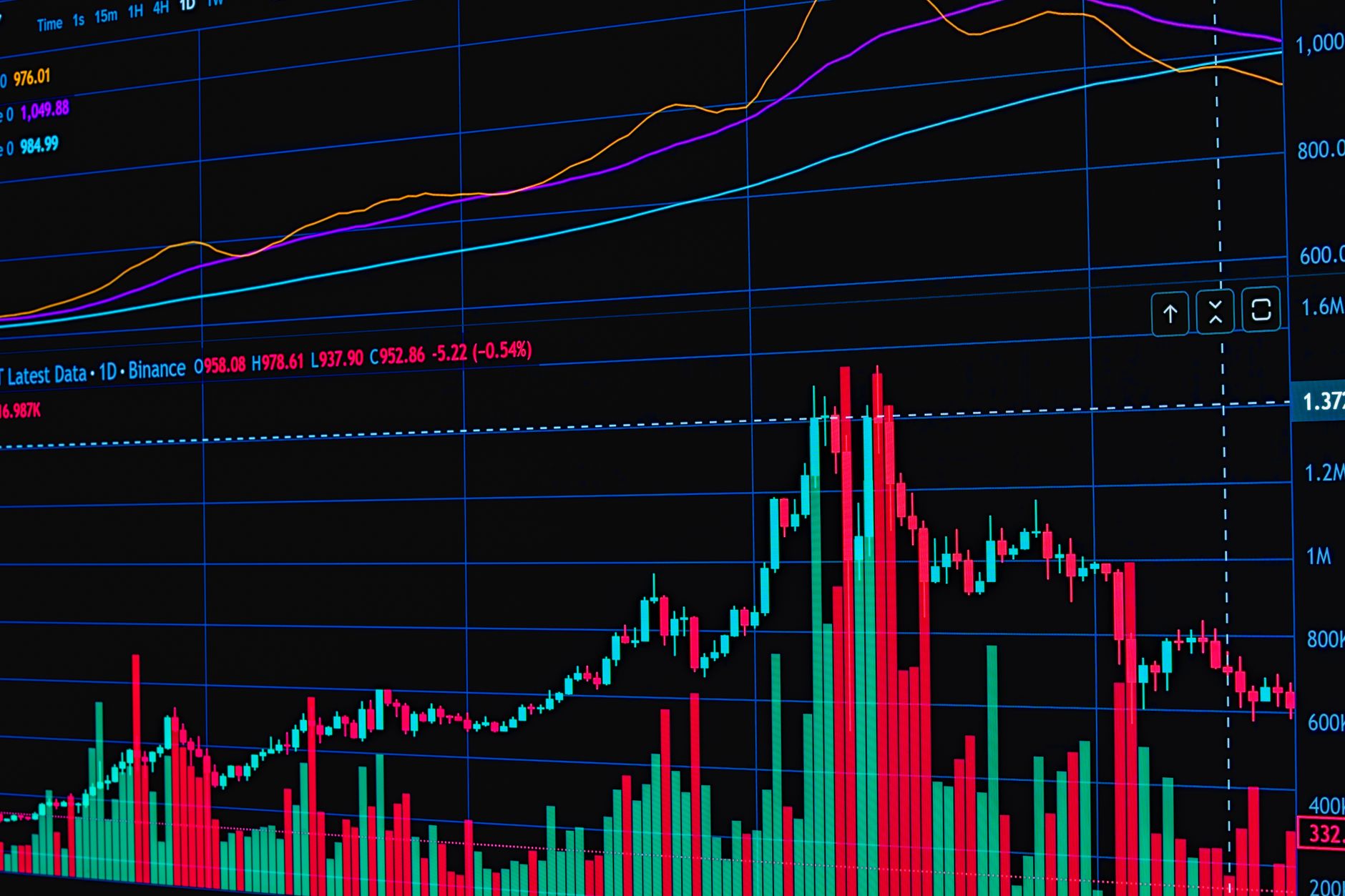
HDFC Bank share price has fallen over 1% in early trade, raising concerns among investors. Various factors are contributing to this decline, and understanding them is crucial for stakeholders.
Reasons for HDFC Bank share price drop
The recent decline in the HDFC Bank share price has raised concerns among investors, prompting discussions about the underlying factors contributing to this downturn. Analysts have identified several reasons that may be influencing the stock’s performance.
- Market Sentiment: A general bearish sentiment in the market has adversely affected banking stocks, including HDFC Bank. Concerns over inflation and rising interest rates have led to increased volatility.
- Regulatory Scrutiny: The bank has come under scrutiny from regulators regarding compliance issues, which may have spooked investors and contributed to the declining share price.
- Competition: Growing competition from fintech companies and other traditional banks is putting pressure on HDFC Bank’s market share, leading to uncertainty about its future growth prospects.
- Earnings Performance: Recent quarterly earnings reports showed a slower growth rate compared to previous periods, raising alarms about the bank’s ability to sustain its performance moving forward.
- Global Economic Factors: Global economic slowdown fears have also impacted investor confidence, affecting not just HDFC Bank but the entire banking sector.
As a result, the HDFC Bank share price has seen a noticeable decline, leaving many investors to ponder whether this trend will continue or if a rebound is on the horizon.
Market reaction to HDFC Bank news
In the wake of recent announcements, the market reaction to HDFC Bank news has been notably negative. Analysts observed a significant decline in the HDFC Bank share price, which fell over 1% during early trading sessions. This downturn has raised concerns among investors, prompting discussions about the underlying factors contributing to the stock’s decline.
Several key points have emerged from market analysts regarding the reaction:
- Economic Indicators: Broader economic trends, including rising inflation rates and increasing interest rates, have created a cautious atmosphere among investors, impacting the perception of HDFC Bank’s stability.
- Sector Performance: The banking sector as a whole has faced challenges, with other banks also experiencing similar decreases in share prices, which has contributed to a bearish sentiment surrounding HDFC Bank.
- Investor Sentiment: The current market sentiment is heavily influenced by uncertainty in global markets. As a result, many investors are opting for safer assets, leading to reduced demand for stocks like HDFC Bank.
- Earnings Outlook: Concerns regarding the bank’s upcoming earnings report have led to speculation about potential disappointing results, further weighing down the HDFC Bank share price.
As the situation unfolds, stakeholders will be keenly observing how these factors will shape the future performance of HDFC Bank in the coming weeks.
Investors’ outlook on HDFC Bank
Investors’ outlook on HDFC Bank has become increasingly cautious following the recent decline in the HDFC Bank share price. Market analysts suggest that various factors are contributing to this sentiment, leading to uncertainty among shareholders.
Many investors are closely monitoring the bank’s performance indicators, particularly in light of the ongoing economic challenges and regulatory scrutiny. The following points summarize the current sentiment:
- Economic Environment: With rising inflation and fluctuating interest rates, investors are concerned about the impact these factors may have on the bank’s profitability.
- Regulatory Challenges: Recent announcements from financial regulators have raised red flags, prompting investors to reassess their positions in HDFC Bank.
- Competition: Increased competition from fintech companies and other traditional banks is causing some investors to question HDFC Bank’s market dominance.
- Performance Metrics: Analysts are scrutinizing key performance metrics, and any signs of weakness could further dampen investor enthusiasm.
As a result, many investors are adopting a wait-and-see approach, hoping for clearer signals before making any significant moves. The combination of external pressures and internal performance evaluations is creating a complex picture for those invested in HDFC Bank.
Analysis of HDFC Bank’s financial health
As the HDFC Bank share price continues to experience downward pressure, a closer examination of the bank’s financial health reveals several critical factors contributing to this trend. Analysts have pointed out that while HDFC Bank remains one of India’s leading private banks, certain financial indicators suggest a need for caution among investors.
One of the primary concerns highlighted is the non-performing assets (NPAs) ratio. Recent reports indicate a slight uptick in NPAs, raising alarms about the bank’s asset quality. This could lead to increased provisioning requirements, which may impact profitability in the near term.
Additionally, the net interest margin (NIM) has shown signs of pressure due to increased competition in the banking sector. With a growing number of players offering attractive rates, HDFC Bank may find it challenging to maintain its margins, ultimately affecting its bottom line.
Furthermore, the cost-to-income ratio has been a topic of discussion. As operational costs rise, the bank’s efficiency in managing expenses will be tested. Investors are keenly observing how management addresses these challenges while sustaining growth.
Overall, while the HDFC Bank share price presents a compelling case for long-term investment, these financial health indicators warrant careful scrutiny from potential investors.
Photo by Rafael Minguet Delgado on Pexels