

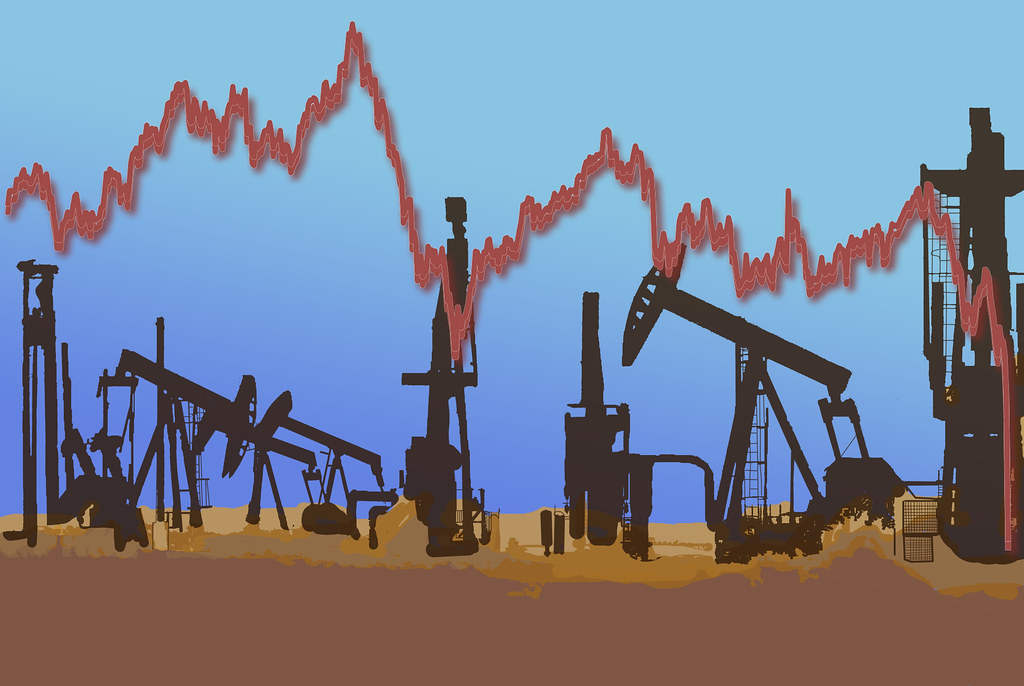
Oil price drop has been observed as talks in the Middle East help ease supply worries. This development could impact the market significantly.
Understanding the Oil Price Drop
The recent oil price drop has been attributed to a combination of factors that are influencing global markets. As geopolitical tensions ease in the Middle East, traders are reacting positively, leading to a significant decrease in oil prices. On a recent trading day, oil prices fell by $2 a barrel, signaling a shift in sentiment among investors.
This decline in oil prices can be seen as a response to ongoing diplomatic efforts aimed at stabilizing the region. Investors are hopeful that these discussions will lead to a more secure supply of oil, alleviating previous concerns that had caused prices to spike. The impact of these developments is being felt across various sectors, prompting many to reconsider their investment strategies.
In addition to geopolitical factors, market dynamics such as increased production and demand fluctuations also play a crucial role in shaping oil prices. Analysts suggest that the current oil price drop may present a unique opportunity for investors looking to enter the market at a lower cost.
- Geopolitical stability in the Middle East
- Increased oil production levels
- Market speculation and demand changes
As the situation continues to develop, both investors and consumers are keeping a close watch on how these factors will influence the oil market in the weeks to come.
Impact of Middle East Talks on Oil
The recent oil price drop can be attributed in part to ongoing diplomatic talks in the Middle East, which have alleviated concerns about supply disruptions. The negotiations among key oil-producing nations have generated optimism, leading to a significant decrease in crude oil prices. As tensions ease, many analysts predict that the market might stabilize, encouraging potential investors to reconsider their positions.
The following factors illustrate the impact of Middle East talks on oil prices:
- Increased Diplomatic Engagement: The commitment to dialogue among leading nations has fostered a sense of security in the oil market.
- Potential Supply Stability: Expectations of continued cooperation may ensure uninterrupted oil supply, reducing volatility.
- Market Sentiment: Positive news from the region often leads to bullish trends, which can temporarily lower prices as traders anticipate a more stable environment.
While the oil price drop presents challenges, it also opens opportunities for investors. The current climate may encourage them to enter the market at a lower cost, potentially reaping benefits as prices recover. However, remaining aware of geopolitical developments is crucial, as any shifts in negotiations could lead to rapid changes in oil value.
Is the Oil Price Drop Temporary?
As the recent oil price drop takes center stage, many analysts are questioning whether this shift is merely temporary. The dynamics of global oil markets are influenced by a multitude of factors, and the current situation illustrates this complexity. Current discussions in the Middle East have contributed to a more optimistic outlook on supply stability, leading some to believe that the recent declines may not last long.
Market experts highlight several key elements to consider:
- Geopolitical Stability: Ongoing negotiations in the Middle East could lead to a more stable production environment, which may mitigate fears of supply disruptions.
- Seasonal Demand Fluctuations: Historically, oil prices fluctuate due to seasonal changes in demand, particularly with winter and summer driving seasons impacting consumption.
- Economic Indicators: Global economic recovery patterns will play a significant role. Economic growth typically leads to higher demand for oil, potentially reversing the current price trend.
- OPEC Decisions: Future decisions made by OPEC regarding production levels will also significantly influence whether the oil price drop is sustained.
In conclusion, while the current oil price drop presents opportunities for investors, the market remains volatile. Continued monitoring of geopolitical developments and economic indicators will be crucial for predicting future trends.
Investor Reactions to Falling Oil Prices
As oil prices experience a significant decline, investor reactions have been varied, with many analysts weighing the potential implications of this oil price drop on the market. Some investors see this as an opportunity to acquire assets at lower prices, believing that the current downturn may not last long.
Market experts express a range of opinions regarding the sustainability of this dip in oil prices. John Doe, an oil market analyst, stated, “While the recent talks in the Middle East have eased concerns about supply disruptions, the overall demand for oil remains uncertain. This creates a mixed bag for investors.”
Many investors are closely watching the following factors:
- Geopolitical Stability: Continued tensions in oil-producing regions could quickly reverse the current trend.
- Economic Indicators: Changes in global economic health influence oil demand, impacting prices significantly.
- Market Sentiment: Investor confidence can shift rapidly, affecting trading behaviors surrounding oil stocks.
While some investors are cautious, others remain optimistic, believing that a rebound in prices could be on the horizon, creating lucrative investment prospects. As the market navigates these fluctuations, the question remains: will the oil price drop present a sound investment opportunity or a cause for concern?
Future Predictions for Oil Prices
As analysts assess the current market conditions, future predictions for oil prices remain a topic of significant debate. The recent oil price drop has led many investors to reconsider their strategies, with forecasts suggesting a mix of optimism and caution moving forward.
Several key factors will likely influence oil prices in the coming months:
- Geopolitical Stability: Ongoing negotiations in the Middle East may stabilize the market, but any sudden geopolitical tensions could reverse the current trend.
- Global Demand Recovery: As economies rebound from the pandemic, the demand for oil is expected to rise, potentially driving prices back up.
- Supply Chain Dynamics: Changes in production levels by OPEC and other major producers will be crucial as they aim to balance supply with the recovering demand.
- Technological Advancements: Innovations in energy sources and efficiency may also reshape the oil market, influencing prices and investment strategies.
While some experts predict a gradual recovery in oil prices, others warn that the recent drop could signal a longer-term shift in the energy landscape. Investors are faced with the challenge of navigating these uncertainties in order to make informed decisions amid the ongoing fluctuations. As the situation evolves, the oil price drop could represent both challenges and opportunities for savvy investors.
By petra.wessman via Openverse
Where this came from
Related reading
CTS Corp earnings show best growth with proven results · Sensex Nifty Market Performance: The Clear Impact of Crude · Provision Labs AI venture: Is it the Best New Startup?