

export support rules have been eased, allowing small exporters to access increased aid and support. This change aims to bolster their growth and competitiveness in international markets.
Overview of the New Export Support Rules
The recent changes to the export support rules aim to assist small exporters in navigating the complexities of international trade. The Centre has introduced several measures that will enhance financial aid and simplify the application process for these businesses.
Key features of the new export support rules include:
- Increased Financial Assistance: Small exporters will now receive higher levels of financial support, enabling them to expand their market reach.
- Simplified Procedures: The application process has been streamlined, reducing the bureaucratic hurdles that often deter small businesses from exporting.
- Focused Training Programs: New initiatives will provide training and resources to help exporters understand global market trends and compliance requirements.
These reforms signify the government’s commitment to boosting the export sector and supporting small businesses. By easing export support rules, the Centre is fostering a more conducive environment for growth and competitiveness in the international marketplace.
Impact on Small Exporters
The recent changes to the export support rules have significant implications for small exporters across the country. By streamlining the application process and increasing financial aid, the government aims to bolster the growth of small businesses in the export sector.
Small exporters often face challenges such as limited access to funding and high operational costs. The revised rules are designed to address these hurdles by providing easier access to resources. Key benefits include:
- Increased Financial Aid: The government has raised the aid available to small exporters, making it more feasible for them to enter international markets.
- Simplified Application Processes: The new export support rules have reduced bureaucratic red tape, allowing for quicker approvals.
- Dedicated Support Services: Small exporters will now have access to specialized assistance tailored to their unique needs.
Overall, these changes represent a significant step towards empowering small exporters, enabling them to compete on a global scale more effectively.
Government’s Role in Supporting Exports
The government plays a crucial role in enhancing the export capabilities of small exporters through its export support rules. By implementing these regulations, the authorities aim to streamline processes, making it easier for businesses to access necessary resources and knowledge.
Recent changes in policy have focused on providing targeted assistance to small exporters, ensuring they can compete effectively in the global market. This includes:
- Financial Aid: Increased funding options to support the development and marketing of export goods.
- Training Programs: Workshops designed to educate small business owners on export procedures and compliance requirements.
- Market Access: Initiatives to help small exporters identify and penetrate new markets.
These export support rules not only alleviate financial burdens but also empower small exporters with the necessary tools to thrive internationally. By fostering a favorable export environment, the government is committed to promoting economic growth and sustainability.
Challenges Faced by Exporters
Small exporters often encounter numerous challenges that can hinder their growth and success in the international market. One significant hurdle is the complex regulatory environment that can make navigating export support rules daunting. These rules often vary by product and destination, leading to confusion and potential compliance issues.
Additionally, many small exporters struggle with limited access to finance. While the new export support rules aim to provide relief, securing funding for production and logistics remains a critical concern. Without adequate financial backing, seizing export opportunities becomes increasingly difficult.
Moreover, small exporters may lack the necessary expertise to engage effectively in global markets. This gap in knowledge can result in missed opportunities and ineffective marketing strategies. To address these issues, it is essential for government initiatives to not only simplify export support rules but also offer training and resources that empower small exporters.
In summary, overcoming these challenges is vital for small exporters to thrive and capitalize on the benefits provided by the revised export support rules.
Success Stories of Small Exporters
Many small exporters have found success by leveraging the new export support rules introduced by the government. These changes have made it easier for businesses to navigate the complexities of international trade.
One notable example is a small textile manufacturer from Gujarat, which saw a significant increase in export orders after receiving financial aid under the new rules. By accessing funds more readily, they expanded their production capacity and improved their product quality.
Similarly, a tech startup in Bengaluru benefited from the streamlined application process for export support. With the additional resources, they were able to enter new markets in Europe and North America, significantly boosting their revenue.
These stories highlight how the export support rules are not just bureaucratic changes but real avenues for growth. The government’s commitment to assisting small exporters is evident, and many are now reaping the rewards of these well-structured support systems.
As small businesses continue to adapt and thrive, their success stories inspire others to take advantage of the available resources.
How to Apply for Export Aid
Applying for export aid under the new export support rules is a straightforward process designed to assist small exporters in navigating the complexities of international trade. Follow these steps to ensure a successful application:
- Understand Eligibility: Before applying, confirm that you meet the eligibility criteria set forth by the government. This includes being a registered small exporter and having a clear export plan.
- Gather Required Documentation: Collect all necessary documents, such as business registration certificates, tax identification numbers, and export invoices, to facilitate a smooth application process.
- Complete the Application Form: Fill out the official application form accurately. Be sure to provide detailed information about your export activities and financial needs.
- Submit Your Application: Submit your completed application through the designated online portal or at your local export office, ensuring that all documents are attached.
- Follow Up: After submission, regularly check the status of your application and be prepared to provide additional information if requested.
By adhering to these steps, small exporters can take full advantage of the support available under the new export support rules.
Future of Export Support Policies
The future of export support policies appears promising as the government continues to refine and enhance export support rules aimed at fostering growth among small exporters. As the global market evolves, these policies are expected to adapt, ensuring that support mechanisms remain relevant and effective.
Key areas of focus include:
- Streamlined Processes: Simplifying application procedures will encourage more small businesses to seek assistance.
- Increased Funding: Allocating more resources to support initiatives can significantly boost exporters’ capabilities.
- Training and Resources: Providing educational programs and tools will empower small exporters to navigate international markets more effectively.
Furthermore, collaboration between government agencies and private sector stakeholders will be essential in shaping a robust support framework. Stakeholder feedback will guide the evolution of these rules, ensuring they address the unique challenges faced by small exporters. Overall, a proactive approach to policy development will lay the groundwork for a more vibrant export sector.
Conclusion on Export Support Rules
In conclusion, the new export support rules represent a significant step forward in aiding small exporters who have long faced barriers in the global market. By simplifying the application process and increasing financial aid, the government is acknowledging the vital role these businesses play in the economy.
As discussed, the government’s proactive measures are designed to create a more favorable environment for small exporters to thrive. These rules not only enhance access to necessary resources but also foster a sense of confidence among entrepreneurs looking to expand their reach internationally.
While challenges remain, the success stories highlighted earlier serve as a testament to the potential of small exporters when given the right support. The future of export support policies looks promising, as continuous adjustments and improvements can further enhance the effectiveness of these initiatives.
Overall, the export support rules are a crucial development, allowing small exporters to navigate the complexities of international trade with greater ease and optimism.
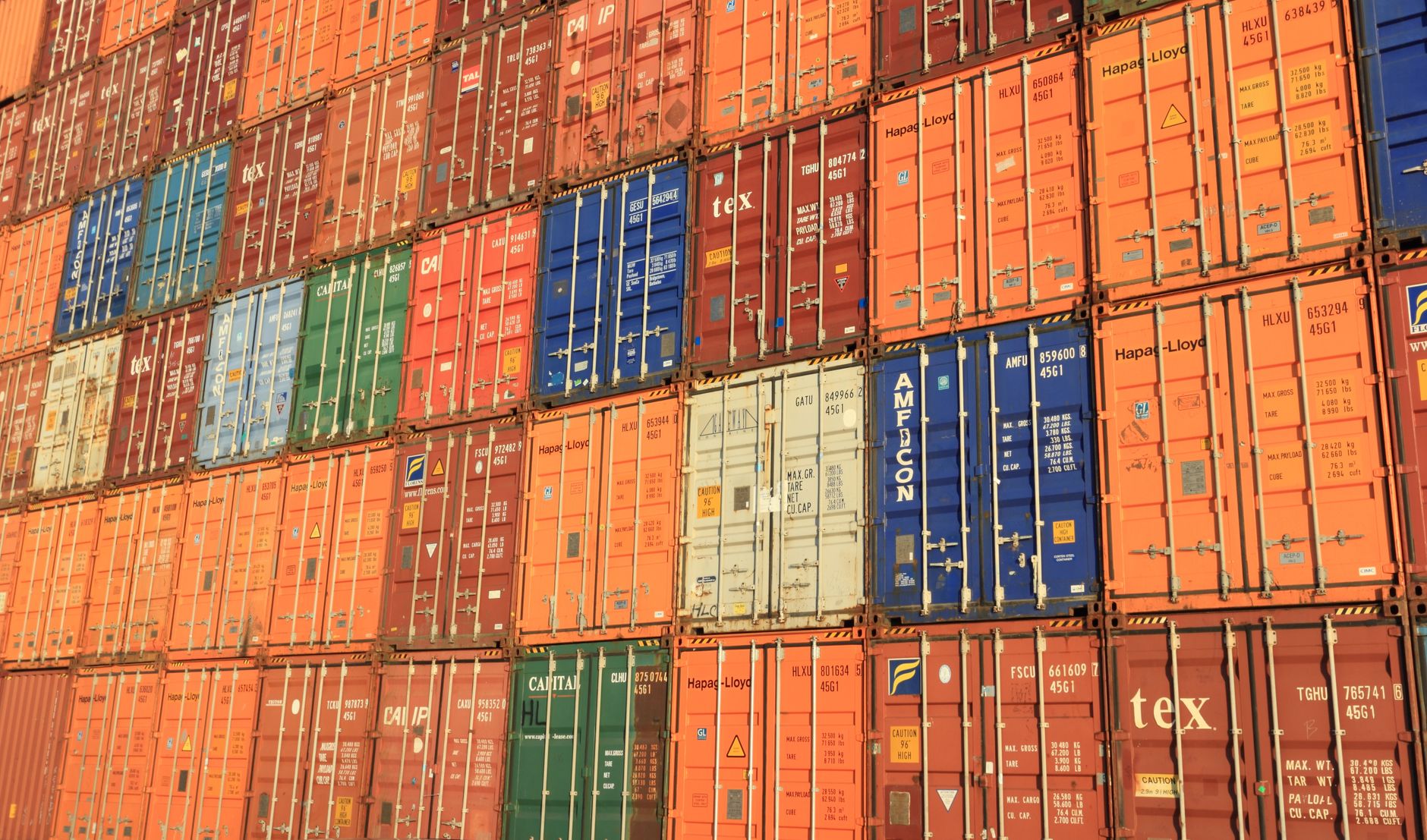
Photo by Pixabay on Pexels