

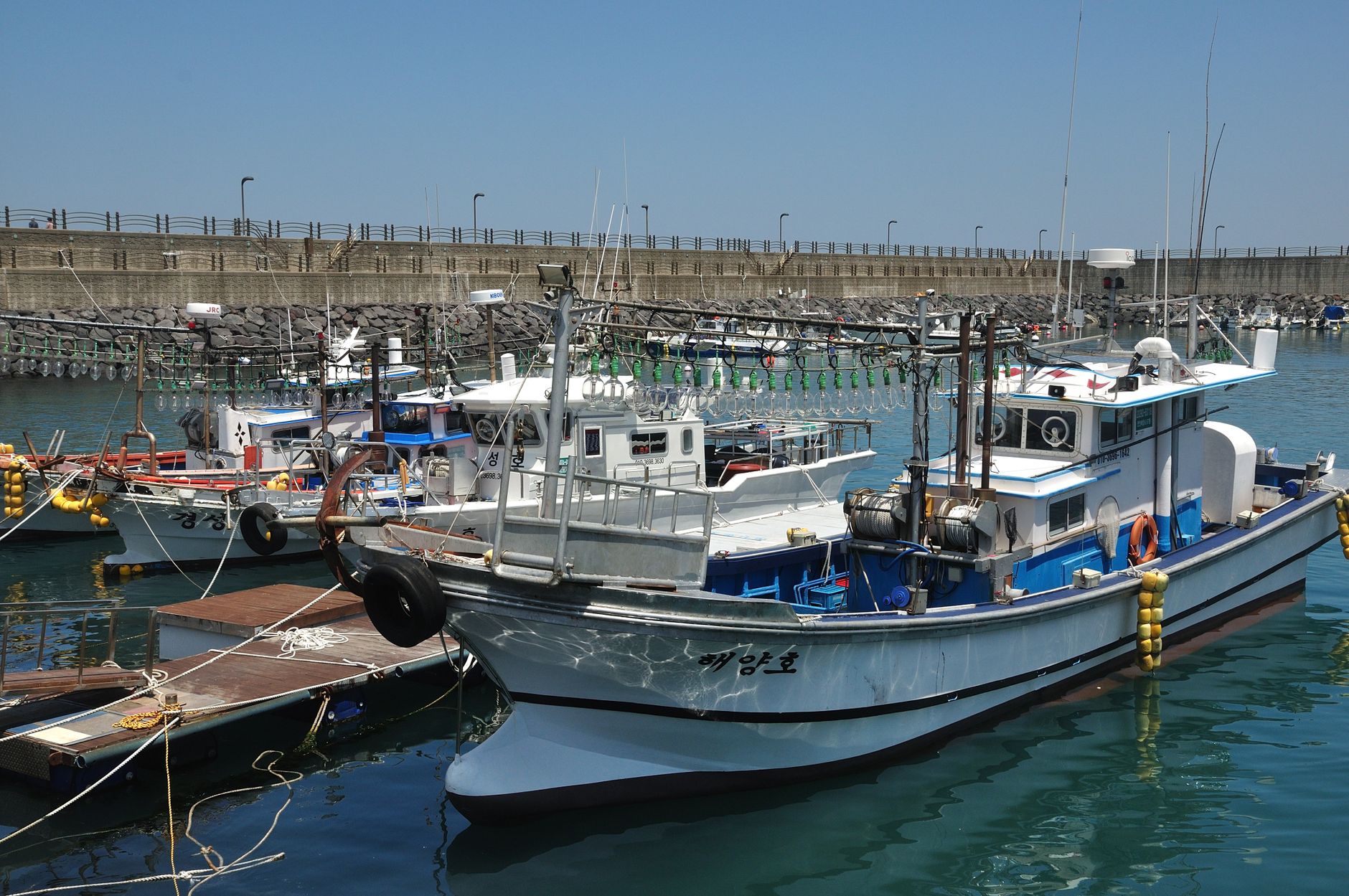
Korean vessel canal fee has reached a record high as El Niño continues to drive up freight rates, affecting global shipping dynamics.
Impact of El Niño on Freight Rates
The recent impact of El Niño has significantly influenced freight rates, leading to record canal fees for Korean vessels. As this weather phenomenon alters global shipping routes and schedules, it creates a ripple effect on costs associated with maritime transport.
Freight rates have surged as shipping companies grapple with port congestion and unpredictable weather conditions. This has prompted a notable increase in expenses, particularly for vessels navigating through crucial waterways.
The following factors illustrate how El Niño has affected the shipping industry:
- Disrupted Shipping Routes: Changes in weather patterns can cause delays and necessitate detours, increasing transit times.
- Increased Canal Fees: Korean vessels have been forced to pay a higher canal fee, reflecting the heightened demand for limited shipping capacity.
- Rising Fuel Costs: Variability in weather can lead to fluctuations in fuel prices, further straining shipping budgets.
As the shipping landscape continues to evolve, the Korean vessel canal fee serves as a stark reminder of the economic challenges posed by climatic changes, which are likely to persist in the near future.
Record Canal Fees Explained
The recent surge in freight costs has been exacerbated by the unprecedented canal fees faced by Korean vessels. These fees have reached record levels, significantly impacting shipping operations and the overall supply chain. With disruptions caused by El Niño, the cost of transporting goods has skyrocketed, forcing shipping companies to reevaluate their budgets and strategies.
Several factors contribute to the alarming rise in canal fees:
- Increased Demand: The global demand for shipping has surged, leading to congestion at major canals.
- Environmental Regulations: Stricter regulations aimed at reducing emissions are adding to operational costs.
- Infrastructure Limitations: Many canals are facing limitations in capacity, causing longer transit times and increased fees.
As a result, the Korean vessel canal fee has become a critical issue for shipping companies, who are now grappling with the reality of rising costs. The situation calls for strategic planning to mitigate the financial impact on businesses and consumers alike.
How Korean Vessel Fees Compare
The recent spike in the Korean vessel canal fee has sparked significant discussion among shipping companies and industry analysts. As global supply chains continue to face challenges, understanding how these fees compare to previous costs is essential for stakeholders.
In recent months, several key factors have contributed to the escalating canal fees:
- Increased demand: The surge in global trade volumes has resulted in heightened demand for passage through major canals.
- Environmental regulations: Stricter regulations aimed at reducing emissions have led to additional costs for vessel operators, which are often passed on to clients.
- El Niño effects: The weather phenomenon has disrupted shipping routes, causing delays that further inflate costs.
Shipping companies are now faced with the challenge of balancing the rising Korean vessel canal fee with the need to maintain competitive pricing. As these costs continue to climb, the impact on freight rates is undeniable, forcing many to reevaluate their logistics strategies and operational budgets.
Ultimately, the current landscape of shipping fees requires careful navigation to ensure sustainability and profitability in the face of unprecedented challenges.
Shipping Industry Reactions
The shipping industry has been abuzz with reactions following the recent record canal fee imposed on a Korean vessel, which has drawn significant attention as El Niño impacts freight rates. Many industry experts are expressing concerns over the mounting costs of shipping, particularly as these fees could lead to increased prices for consumers.
According to industry analyst Sarah Kim, the Korean vessel canal fee highlights a troubling trend in global shipping expenses. She stated, “These fees are becoming unsustainable. If they continue to rise, we may see a significant shift in trade routes and shipping practices.”
Furthermore, shipping companies are reevaluating their operational strategies. CEO of Oceanic Freight, Mark Tran, remarked, “We’re exploring alternative routes to mitigate these exorbitant costs. The Korean vessel canal fee is just one example of how external factors can drastically affect our bottom line.”
With ongoing challenges from climate events and rising fees, the shipping industry is bracing for a turbulent period ahead, with stakeholders keenly watching how these dynamics will unfold in the coming months.
Future Predictions for Logistics
As the shipping industry continues to grapple with unprecedented challenges, future predictions for logistics are increasingly bleak. Experts anticipate that the ongoing increases in freight rates will persist, primarily driven by factors such as climate change, geopolitical tensions, and evolving global trade patterns. In particular, the recent surge in the Korean vessel canal fee highlights the financial strains that shipping companies are likely to face in the coming years.
Analysts predict that the Korean vessel canal fee will not only remain high but may rise even further as demand for shipping outpaces supply. This could lead to a significant reshaping of global shipping routes and logistics strategies.
Furthermore, companies may need to explore alternative shipping methods or invest in more efficient technologies to mitigate costs. With the prospect of rising operational expenses, businesses could also reconsider their supply chains to ensure sustainability and cost-effectiveness.
As we move forward, stakeholders in the shipping industry must remain vigilant and adapt to the evolving landscape to navigate the increasing financial burdens that are expected to characterize the future of logistics.
Photo by Coman Yu on Pexels
Read the original
You might also like
Taxable vs IRA: The Smart Choice for Your Investments · Bitcoin ETF inflows show worst trend amid crypto losses · Understanding the Benefits and Responsibilities of Orlando Car Title Loans