

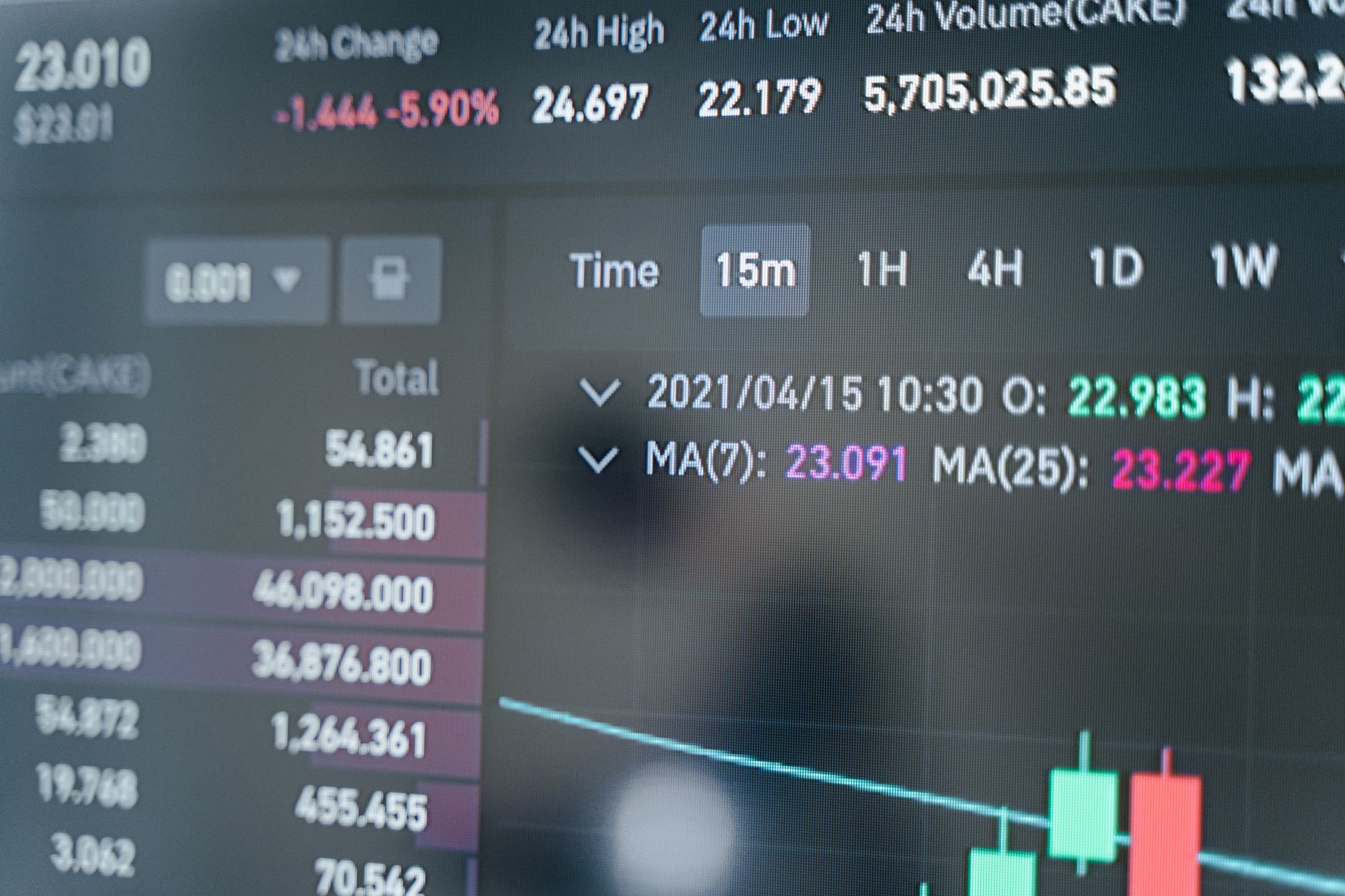
Sensex market rise is making headlines today as it surges 700 points, with significant buying in IT shares contributing to this upward trend.
What is the Sensex?
The Sensex, short for the Bombay Stock Exchange Sensitive Index, is a stock market index that represents the performance of 30 financially sound and well-established companies listed on the Bombay Stock Exchange (BSE). It is one of the oldest and most widely tracked indices in India, serving as a benchmark for market performance and investor sentiment.
The Sensex market rise reflects the overall health of the Indian economy and is influenced by various factors, including economic policies, corporate earnings, and global market trends. Investors often look to the Sensex as a barometer for making informed investment decisions.
These 30 companies span multiple sectors, such as:
- Information Technology
- Finance
- Healthcare
- Consumer Goods
- Energy
When the Sensex rises, it usually indicates that the majority of these companies are performing well, leading to increased investor confidence. A significant rise in the index can result from positive developments, such as strong quarterly results or favorable economic policies.
Recently, the Sensex surged 700 points, driven by buying in IT shares, which highlights the importance of sectoral performance in influencing the overall market trend. Understanding the dynamics of the Sensex can help investors make strategic choices in their investment journeys.
Key factors driving the market rise
The recent surge in the Sensex market rise has been attributed to several key factors that have instilled confidence among investors. Understanding these drivers can help investors make informed decisions in the dynamic landscape of stock trading.
- Strong Buying in IT Shares: A significant uptick in purchasing activity within the IT sector has been observed, propelling the market higher. Major tech companies have reported impressive earnings, leading to optimistic forecasts.
- Global Market Trends: The performance of international markets has also played a crucial role. Positive movements in U.S. and Asian markets have created a ripple effect, encouraging local investors to engage more actively in trading.
- Monetary Policy Outlook: The Reserve Bank’s stance on interest rates has contributed to the bullish sentiment. A favorable monetary policy environment can lead to increased liquidity, further boosting market performance.
- Sectoral Rotation: Investors are increasingly diversifying their portfolios by rotating investments between sectors. This strategy allows them to capitalize on emerging opportunities and mitigate risks.
As these factors continue to influence the Sensex market rise, investors are advised to stay informed and adaptable to changing market conditions to optimize their investment strategies.
Impact of IT shares on Sensex
The recent surge in the Sensex market rise can be largely attributed to the performance of Information Technology (IT) shares. Investors have seen a notable increase in buying activity, which has significantly contributed to the overall positive sentiment in the market.
As the market opened, IT stocks experienced a robust uptick, reflecting strong quarterly earnings and optimistic forecasts from leading companies in the sector. This has encouraged both institutional and retail investors to increase their stakes in technology firms, driving up their stock prices.
Several factors have fueled the enthusiasm for IT shares:
- Strong Earnings Reports: Major IT companies have reported impressive earnings, surpassing market expectations and indicating healthy growth.
- Global Demand: The ongoing digital transformation across various industries has led to increased demand for IT services, bolstering investor confidence.
- Innovation and Expansion: Many companies are investing in new technologies and expanding their services, which is seen as a long-term growth strategy.
As a result, the Sensex has surged, reflecting the growing importance of the IT sector within the Indian economy. This boost not only highlights the resilience of IT shares but also emphasizes their role in propelling the Sensex market rise to new heights.
Historical performance of Nifty
The historical performance of Nifty indicates a strong correlation with the fluctuations seen in the Sensex market rise. Over the years, Nifty has demonstrated resilience during periods of economic uncertainty, often bouncing back with significant gains. A few key trends can be observed:
- Long-term Growth: Historically, Nifty has shown a consistent upward trajectory, reflecting the overall growth of the Indian economy. Investors who adopted a long-term perspective have often benefited from this growth.
- Volatility Management: Nifty’s historical data reveals periods of high volatility, particularly during global economic downturns. Savvy investors have implemented strategies to mitigate risks during these times.
- Sector Performance: The performance of various sectors within the Nifty index has a direct impact on the Sensex market rise. For instance, IT and financial services have frequently driven gains, particularly during bull markets.
- Investment Strategies: Many successful investors have utilized systematic investment plans (SIPs) and value investing strategies to capitalize on the Nifty’s historical performance, enabling them to harness the benefits of market rallies.
In conclusion, understanding the historical performance of Nifty is essential for investors looking to navigate the complexities of the market, especially in light of recent trends contributing to the Sensex market rise.
Expert opinions on market trends
Experts are optimistic about the current trends in the Sensex market rise, highlighting various factors that could contribute to sustainable growth in the near future. According to market analysts, the recent surge of 700 points in the Sensex can be attributed to a combination of positive investor sentiment and robust buying in key sectors, particularly IT shares.
Dr. Anjali Verma, a prominent market analyst, stated, “The ongoing digital transformation and increased adoption of technology solutions have made IT companies more resilient. This is reflected in their stock performance, which has significantly influenced the Sensex market rise.”
Additionally, Mr. Rajesh Kumar, a senior economist, pointed out that the global economic recovery is providing a favorable backdrop for Indian equities. He emphasized, “Investors should focus on sectors that exhibit strong fundamentals and growth potential, as these will likely drive the Sensex higher in the coming months.”
Investment strategies discussed by experts include:
- Diversification across various sectors to mitigate risks.
- Long-term investments in fundamentally strong stocks.
- Regular monitoring of market trends to seize opportunities.
By applying these proven strategies, investors can position themselves advantageously amid the ongoing Sensex market rise.
Future predictions for investors
As investors look to capitalize on the recent Sensex market rise, future predictions are becoming increasingly vital for strategic planning. Analysts suggest that the trajectory of the market may continue to strengthen, influenced by several key factors.
- Global Economic Recovery: The ongoing recovery in major economies could bolster investor confidence, potentially leading to increased foreign investment in Indian markets.
- Government Policies: Proactive government measures aimed at stimulating growth, especially in sectors like infrastructure and manufacturing, may further enhance market performance.
- Technological Advancements: As companies in the IT sector innovate and adapt to new technologies, their growth could significantly impact the overall market, sustaining its upward momentum.
- Inflation and Interest Rates: Monitoring inflation trends and interest rate adjustments will be crucial. A stable inflation rate can encourage spending and investment, fostering a more favorable environment for market growth.
Additionally, investors should remain vigilant and adaptable. The financial landscape is dynamic, and understanding market signals will be essential for maximizing returns. By employing proven strategies and staying informed, investors can position themselves effectively to benefit from the ongoing Sensex market rise.
How to navigate the current market
As the Sensex market rise continues to captivate investors, it’s essential to adopt effective strategies to navigate the current landscape. With the market demonstrating volatility, understanding how to make informed decisions can significantly impact investment outcomes.
Firstly, it is crucial to diversify your portfolio. By spreading investments across various sectors, you can mitigate risks associated with market fluctuations. Consider including shares from both high-growth sectors such as IT and more stable sectors like utilities.
Secondly, staying updated on market trends and news is vital. Regularly review financial reports and expert analyses to gauge the direction of the market. This knowledge allows for timely buying or selling decisions that align with the Sensex market rise.
Moreover, employing a long-term investment strategy can yield positive results. Rather than reacting to short-term market changes, focus on the fundamental strengths of companies within your portfolio. This approach can help in weathering market downturns.
Lastly, consider consulting with financial advisors or utilizing robo-advisors for tailored investment strategies. Their expertise can provide insights into effective allocation and risk management based on your financial goals.
By following these strategies, investors can better navigate the current market and take advantage of the ongoing Sensex market rise.
Photo by Tima Miroshnichenko on Pexels