

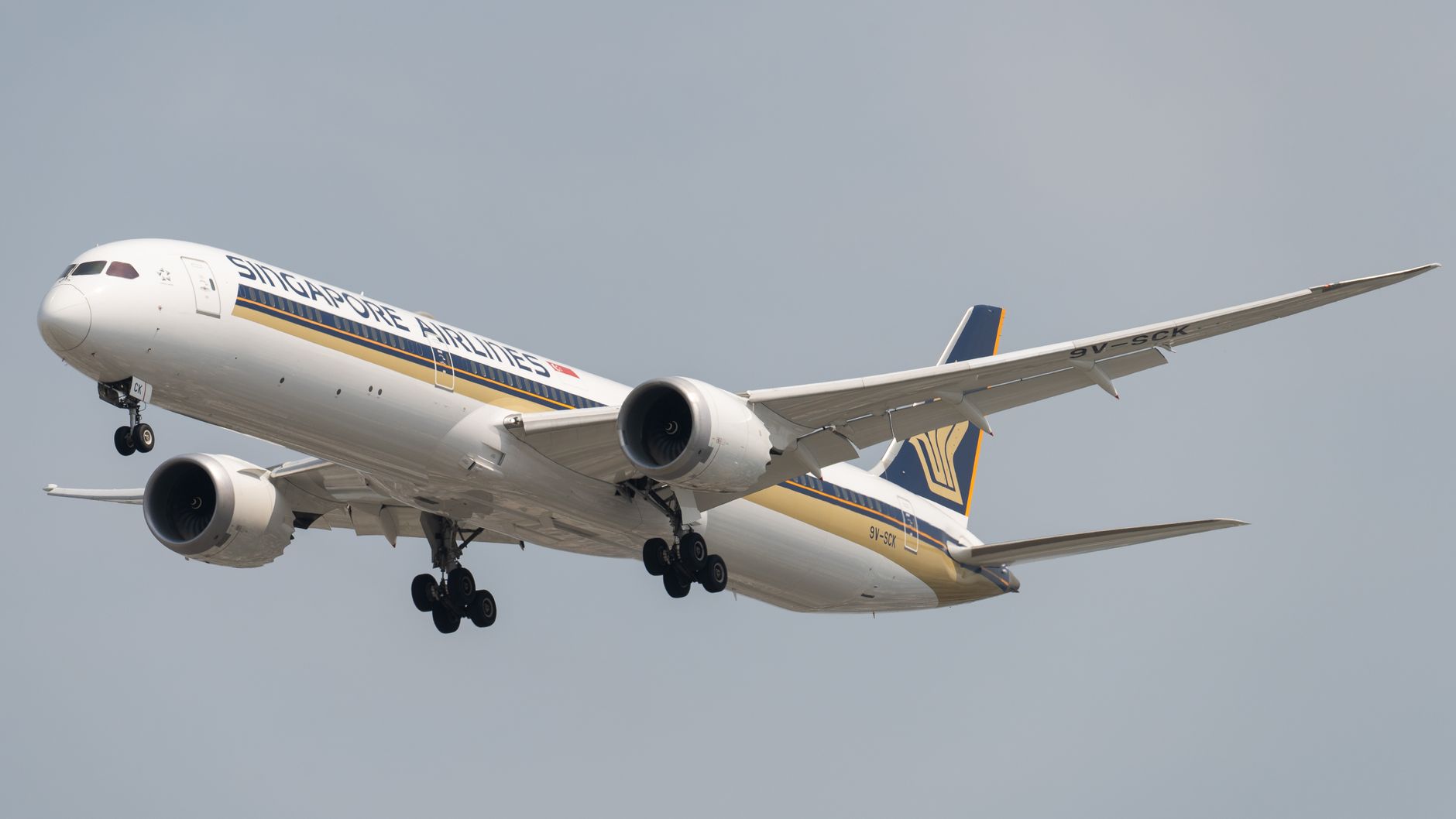
Singapore Airlines funding is becoming a focal point as the airline seeks greater influence and tighter governance terms before committing to Air India.
Overview of Singapore Airlines’ Strategy
Singapore Airlines is actively pursuing a strategy aimed at enhancing its governance framework while seeking greater influence in its financial engagements. Recent reports indicate that the airline is looking for tighter governance terms before proceeding with funding initiatives, particularly concerning its investment in Air India. This move aligns with Singapore Airlines’ overarching goal to ensure that its funding decisions are not only financially sound but also strategically advantageous.
Key elements of Singapore Airlines’ strategy include:
- Strengthening Governance: The airline aims to establish more robust governance measures to oversee its investments effectively.
- Strategic Partnerships: By seeking tighter terms, Singapore Airlines intends to forge partnerships that reflect its commitment to transparency and accountability.
- Long-term Vision: The focus on smart governance is part of a broader long-term vision to position Singapore Airlines as a leader in the aviation industry.
Through these initiatives, Singapore Airlines seeks to ensure that its funding, including its approach to Air India funding, is guided by principles that promote sustainability and ethical practices.
The Importance of Governance in Aviation
The aviation industry is witnessing a pivotal shift in governance, particularly with the emergence of new funding avenues. For Singapore Airlines, securing funding is not merely about financial influx but also encompasses a commitment to robust governance practices. Effective governance is essential in ensuring that funds are utilized efficiently and that strategic objectives are met.
In the context of Singapore Airlines, the significance of governance can be encapsulated in several key areas:
- Transparency: Clear guidelines and reporting structures enhance accountability and build trust among stakeholders.
- Risk Management: A strong governance framework allows for better identification and mitigation of risks, ensuring long-term sustainability.
- Regulatory Compliance: Adhering to international standards and regulations is crucial for operational legitimacy and reputation.
- Stakeholder Engagement: Involving various stakeholders in decision-making processes promotes inclusivity and diverse perspectives.
As Singapore Airlines seeks greater funding, the emphasis on governance will be instrumental in navigating the complexities of the aviation landscape, positioning the airline for future success.
Air India’s Current Financial Status
Air India is currently navigating a complex financial landscape characterized by significant challenges and opportunities. The airline has been working towards stabilizing its operations and improving its fiscal health following years of losses.
Recent reports suggest that Air India’s restructuring efforts have been met with cautious optimism. Key indicators of the airline’s financial status include:
- Revenue Growth: Air India has seen an uptick in passenger traffic, which has contributed to improved revenue streams.
- Debt Management: The airline is actively engaged in negotiating with creditors to restructure its outstanding debt, aiming to reduce financial burdens.
- Government Support: The Indian government continues to provide backing, which is crucial for the airline’s recovery strategy.
- Investment Opportunities: As Air India seeks funding from investors like Singapore Airlines, the focus on governance and transparency has become essential to attract necessary capital.
As Singapore Airlines explores potential funding avenues, the emphasis on smart governance will play a pivotal role in shaping the future of Air India.
Potential Impact on the Aviation Market
The potential impact of Singapore Airlines funding on the aviation market could be significant. As the airline seeks greater influence and tighter governance terms in its dealings, this shift may reshape competitive dynamics in the industry.
With Singapore Airlines aiming to enhance its governance framework, the implications could extend beyond its own operations. A few key points to consider include:
- Increased Competition: As Singapore Airlines strengthens its governance, other carriers may be prompted to follow suit, leading to an overall rise in standards across the aviation sector.
- Investor Confidence: Enhanced governance can attract more investors, potentially providing the funding necessary for innovation and expansion within the airline.
- Strategic Partnerships: By establishing a robust governance model, Singapore Airlines may find it easier to form strategic alliances, further solidifying its position in the market.
In summary, the approach taken by Singapore Airlines in securing funding could set a precedent for how governance is perceived and implemented in the aviation industry, influencing not just their own operations but the sector as a whole.
Stakeholder Reactions to the Funding
As Singapore Airlines embarks on a strategy to enhance its influence in the aviation sector, reactions from various stakeholders regarding the recent funding developments have been mixed. Industry experts have expressed support for Singapore Airlines’ funding approach, citing the need for robust governance structures to ensure accountability and efficiency.
Key stakeholders have highlighted several areas of concern:
- Impact on Competition: Some analysts worry that greater influence from Singapore Airlines could stifle competition in the market, potentially leading to monopolistic behaviors.
- Governance Standards: There is a strong call for increased transparency and stricter governance terms in the funding agreements, reflecting a broader demand for ethical practices in aviation.
- Investor Sentiment: Investors remain cautiously optimistic, recognizing that well-structured funding can bolster Singapore Airlines’ market position, provided governance measures are adhered to.
As Singapore Airlines seeks to navigate these challenges, the emphasis on smart governance will be crucial in securing stakeholder trust and achieving long-term sustainability in the industry.
Comparative Analysis with Other Airlines
In the realm of global aviation, a comparative analysis of funding strategies among major airlines reveals significant insights into the governance landscape. Singapore Airlines’ funding approach is notably distinct, focusing on enhanced governance and strategic influence. This stands in sharp contrast to airlines like Air India, where financial challenges seem to overshadow governance initiatives.
Many airlines, such as Delta and Lufthansa, have adopted a more traditional funding model, relying heavily on government support and bailouts during economic downturns. Their governance structures, while robust, often lack the agility required to respond swiftly to market changes. In contrast, Singapore Airlines has emphasized a model where governance is intertwined with funding. This proactive stance aims to secure not just financial backing but also a framework for smarter decision-making.
- Singapore Airlines: Focuses on governance as a key component of funding.
- Air India: Faces financial hurdles affecting governance quality.
- Delta and Lufthansa: Rely more on traditional bailouts.
As the aviation market evolves, Singapore Airlines’ funding strategy may set a new benchmark for governance in the industry.
Future Prospects for Singapore Airlines
As Singapore Airlines moves forward with its funding strategies, the future prospects for the airline appear increasingly optimistic. The recent emphasis on smart governance is expected to enhance operational efficiency and customer satisfaction. With a focus on transparent decision-making and accountability, Singapore Airlines is positioning itself to navigate the complexities of the aviation market effectively.
The airline’s commitment to improving governance is likely to yield several benefits, including:
- Stronger Financial Health: By ensuring that funding is allocated efficiently, Singapore Airlines can maintain a competitive edge.
- Enhanced Customer Trust: Greater transparency in governance may foster stronger relationships with passengers and stakeholders.
- Adoption of Innovative Practices: With funding directed towards technology and sustainability initiatives, the airline can stay ahead of industry trends.
Furthermore, as Singapore Airlines secures its funding, the strategic focus on governance will likely influence other players in the aviation sector, encouraging a shift towards more responsible management practices. Ultimately, the airline’s approach to funding and governance could set new standards in the industry, paving the way for a more resilient future.
Conclusion: The Way Forward for Air India
As Singapore Airlines moves forward with its funding initiatives, the emphasis on smart governance remains paramount. To navigate the complexities of the aviation industry, a robust governance framework will not only benefit Singapore Airlines but also enhance the overall operational efficiency of Air India. By setting clear guidelines and expectations, both airlines can work collaboratively towards mutual growth.
Stakeholders must recognize the transformative potential of this funding. By investing in governance, Singapore Airlines can ensure that its financial contributions lead to sustainable improvements in Air India’s performance. This strategic approach fosters trust among shareholders and consumers alike, which is crucial in an industry marked by volatility.
Additionally, establishing stringent governance measures will help mitigate risks associated with the aviation market. As competition intensifies, having a solid governance structure in place will allow Air India to respond more effectively to market fluctuations and passenger demands.
In conclusion, the path forward for Air India is intertwined with the successful implementation of Singapore Airlines’ funding strategies. Together, they can set a precedent for excellence in governance that will resonate throughout the aviation sector.
Singapore Airlines funding has been instrumental in enhancing the airline’s operational efficiency and sustainability initiatives. As the company navigates the complexities of the aviation industry, Singapore Airlines funding ensures a clear path to smart governance and strategic growth.
Photo by Go Journal on Pexels