

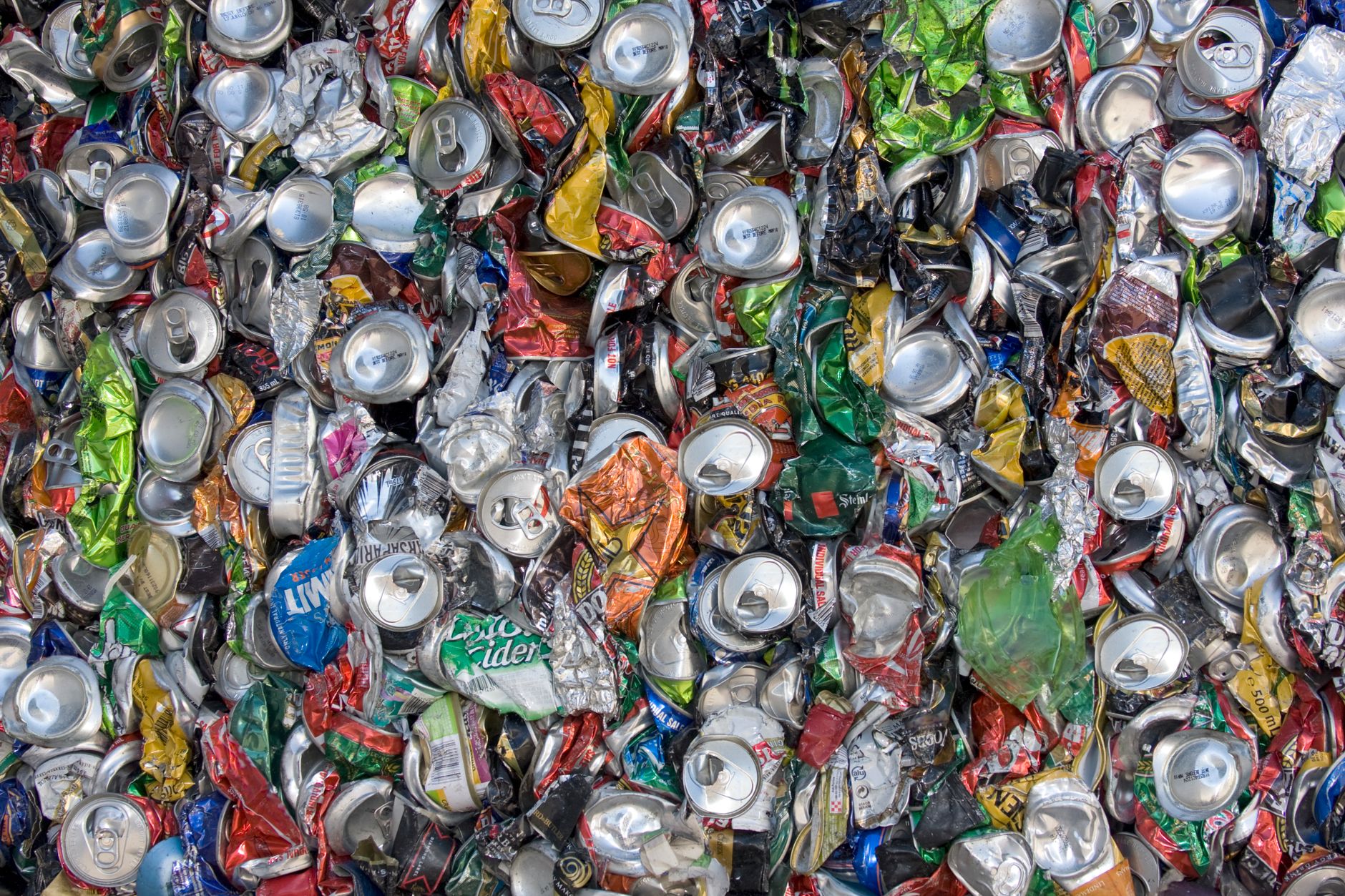
China aluminium output has reached a record quarterly high, defying expectations amidst strict capacity caps. This surge reflects the country’s strong industrial demand and strategic production management.
Overview of China’s Aluminium Market
China’s aluminium output has reached a record quarterly high, despite the government’s efforts to impose a capacity cap on production. This remarkable achievement highlights the resilience and adaptability of the country’s aluminium market, which continues to thrive amid regulatory constraints.
The surge in production can be attributed to several factors:
- Increased demand: The global demand for aluminium has risen significantly, driven by its essential role in various industries, including construction, automotive, and electronics.
- Technological advancements: Improvements in production technology have allowed Chinese manufacturers to enhance efficiency and output without exceeding capacity limits.
- Government policies: While the government has imposed caps to control pollution and manage energy consumption, some local authorities have found ways to circumvent these regulations, enabling increased production.
As a result, the aluminium sector remains a critical component of China’s economy, contributing to both domestic infrastructure projects and international exports. Analysts predict that the trend of record production levels may continue in the coming quarters unless stricter regulations are enforced.
In conclusion, China’s aluminium output exemplifies the complex dynamics of balancing environmental goals with economic growth, showcasing the ongoing evolution of the country’s industrial landscape.
Impact of Capacity Caps on Production
The recent surge in China aluminium output has raised questions regarding the effectiveness of capacity caps imposed by the government. These caps were introduced as part of efforts to mitigate environmental impacts and manage resource consumption. However, the record high production levels suggest that these measures may not be having the intended effect.
Despite the restrictions, several factors have contributed to the elevated output:
- Technological Advances: The aluminium industry has seen significant improvements in production efficiency, allowing manufacturers to optimize their output within existing capacity limits.
- Increased Demand: A robust domestic and international demand for aluminium, driven by sectors such as automotive and construction, has incentivized producers to maximize their output.
- Government Incentives: Some local governments have provided support to aluminium producers, facilitating increased production despite national capacity constraints.
- Market Dynamics: The global aluminium market has experienced fluctuations that have prompted Chinese producers to scale up their operations to maintain competitiveness.
As a result of these factors, the capacity caps appear to be less effective than anticipated. Industry analysts are now examining how these dynamics will influence future regulations and the overall sustainability of aluminium production in China. With China aluminium output reaching unprecedented levels, the balance between environmental responsibility and economic growth remains a critical topic for discussion.
Quarterly Highs in Aluminium Output
China’s aluminium output has reached a record quarterly high, surprising analysts and industry leaders alike. This achievement comes despite the government’s imposition of capacity caps aimed at curbing production to meet environmental targets. The first quarter of the year saw a significant increase in production, highlighting the resilience and adaptability of the sector.
Key factors contributing to this surge include:
- Technological Advancements: Innovations in production techniques have allowed companies to maximize efficiency and output.
- Increased Demand: Both domestic and international markets have shown a robust demand for aluminium, particularly in construction and automotive sectors.
- Strategic Investments: Many firms have invested heavily in upgrading existing facilities to enhance production while still adhering to capacity restrictions.
Furthermore, the government has been flexible in permitting certain operations to exceed the set capacity limits if they demonstrate compliance with environmental regulations. This has created a unique situation where the aluminium industry can thrive even under stringent rules.
As a result, the latest figures indicate that China’s aluminium output may continue to rise, setting new records in future quarters. Analysts will be closely monitoring how the interplay between capacity caps and production levels will shape the market dynamics in the coming months.
Global Aluminium Demand Trends
As the world continues to recover from the economic disruptions caused by the pandemic, global aluminium demand trends are shifting significantly. The construction and automotive sectors are leading this resurgence, contributing to increased consumption that is reshaping the aluminium market.
In particular, China’s aluminium output has reached unprecedented levels, driven in part by the robust demand in these industries. Key factors influencing this trend include:
- Infrastructure Development: Many countries are ramping up investment in infrastructure projects, which require substantial amounts of aluminium for construction and engineering.
- Automotive Industry Recovery: The revival of car production, especially electric vehicles, is creating a spike in demand for lightweight materials, including aluminium.
- Green Technology Initiatives: With an increasing focus on sustainability, many manufacturers are opting for aluminium as it is recyclable and contributes to lower emissions.
As a result, the global demand for aluminium is projected to grow steadily, prompting manufacturers to adapt to these changes. Despite the capacity caps imposed by the Chinese government to control pollution and manage production levels, the record highs in output indicate a resilient market responding to these emerging trends.
Analysts suggest that the balance between production limits and rising demand will be crucial for the future of the aluminium industry.
China’s Role in the Aluminium Industry
China’s aluminium output plays a pivotal role in the global aluminium industry, significantly influencing market prices and availability. As the largest producer of aluminium worldwide, China has established itself as a key player, contributing over half of the global supply. This dominance is not merely a result of its vast natural resources but also a reflection of the country’s advanced production technologies and substantial investments in the aluminium sector.
Despite the recent capacity caps imposed to address environmental concerns, China’s aluminium output has reached unprecedented levels. The government’s initiative to limit production in certain regions aimed to reduce emissions and curb pollution. However, many producers have adapted by enhancing efficiency and exploring alternative production methods, thus maintaining high output levels.
The resilience of the Chinese aluminium market is evident as it continues to meet both domestic and international demand. Factors such as infrastructure development and growing needs in sectors like automotive and aerospace have further fueled the demand for aluminium. In this context, China’s aluminium output not only highlights the country’s industrial capabilities but also reflects broader global trends.
As the world navigates through fluctuating economic conditions, China’s aluminium industry remains a crucial barometer for future developments in the sector. The nation’s ability to balance production with environmental responsibilities will likely shape the landscape of the aluminium market in the years to come.
Future Outlook for Aluminium Prices
The future outlook for aluminium prices is closely linked to China’s aluminium output, which has reached a record high despite capacity caps. Analysts are predicting a complex trajectory for prices as various factors come into play.
Firstly, the sustained increase in production levels in China is expected to exert downward pressure on global aluminium prices. With the country producing a significant portion of the world’s aluminium, any fluctuations in output can have a ripple effect on international markets.
Secondly, the ongoing global demand for aluminium, particularly in industries such as construction, automotive, and renewable energy, may counterbalance the effects of increased supply. As countries continue to invest in infrastructure and green technologies, the demand for aluminium is anticipated to rise, potentially supporting higher price levels.
Furthermore, geopolitical tensions and trade policies could influence the dynamics of aluminium pricing. Tariffs and trade restrictions may disrupt supply chains, creating uncertainty in the market. Additionally, environmental regulations aimed at reducing carbon emissions could lead to increased production costs, impacting future pricing.
In conclusion, while China’s aluminium output has reached unprecedented levels, the interplay of demand, supply, and external factors will be crucial in determining the future of aluminium prices. Stakeholders in the industry will need to stay vigilant as they navigate this evolving landscape.
Conclusion on Production Strategies
In summary, the recent surge in China aluminium output highlights the nation’s ability to navigate challenges posed by capacity caps while continuing to meet both domestic and global demands. As production strategies evolve, the emphasis on technological advancements and enhanced efficiencies has allowed Chinese manufacturers to maximize their output without significantly increasing operational costs. This adaptability is crucial, particularly as the country grapples with environmental regulations and the necessity to reduce carbon emissions.
Industry stakeholders have noted that the focus on innovation in processing techniques has not only facilitated record production but also improved the sustainability of operations. Companies are increasingly investing in cleaner technologies that align with governmental policies aimed at reducing pollution. Such investments are expected to pay off in the long run, as consumers and international markets place a higher value on sustainably produced materials.
Furthermore, the interplay between local and global market dynamics cannot be underestimated. With demand for aluminium remaining robust worldwide, China has positioned itself as a pivotal player in the industry. The ability to ramp up production efficiently, despite regulatory constraints, is a testament to the resilience and strategic foresight of Chinese aluminium producers.
As China continues to refine its production strategies, it will be essential to monitor the balance between output, environmental responsibility, and market demands, ensuring a sustainable future for the aluminium sector.
China aluminium output has reached unprecedented levels this year, demonstrating resilience despite government-imposed capacity restrictions. Analysts suggest that the surge in China aluminium output may be driven by increased demand from the construction and automotive sectors.
Photo by Darren Patterson on Pexels