

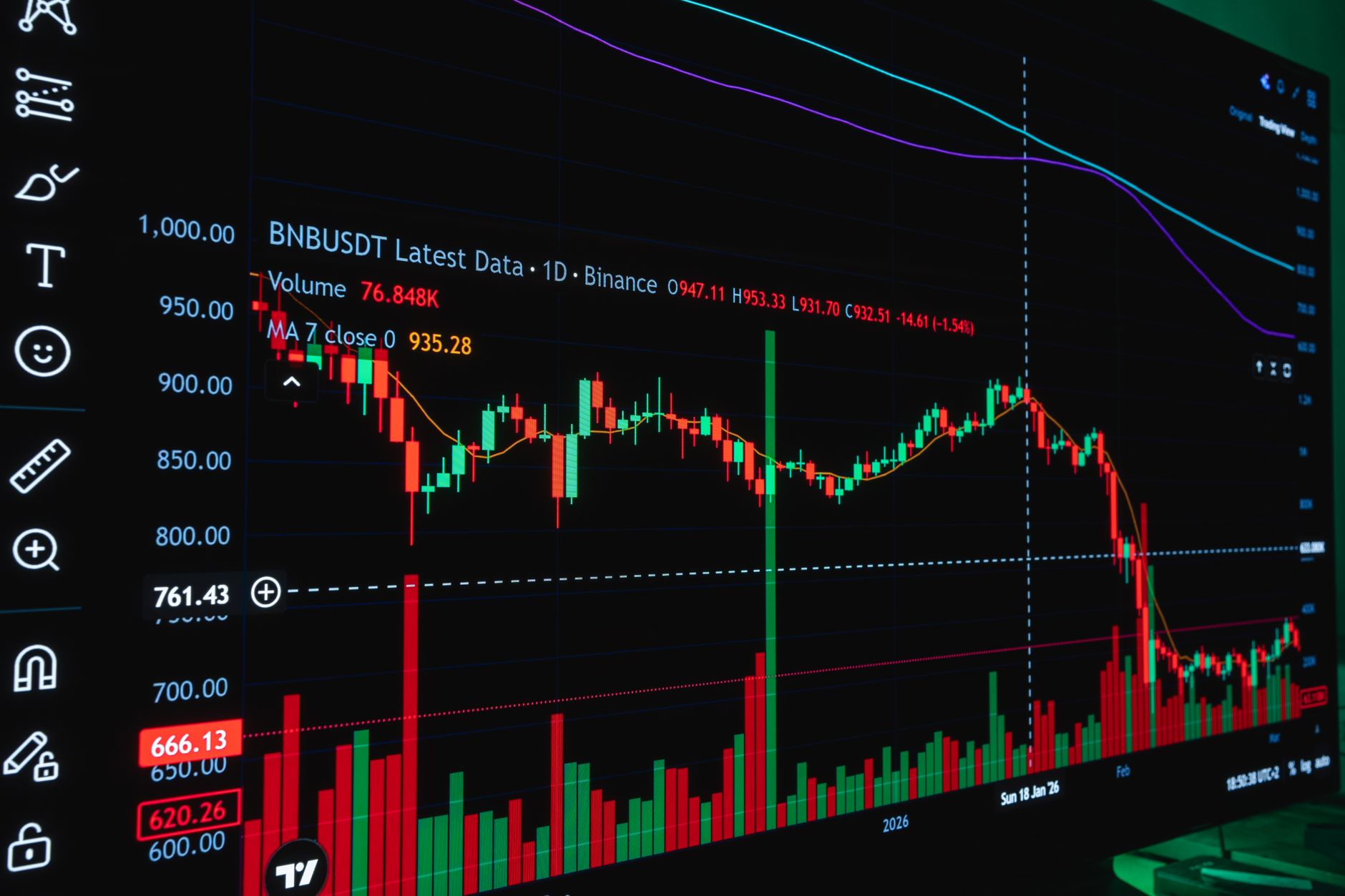
USDT Premium in India has reached an unprecedented 6.40%, with prices now exceeding ₹100. This surge highlights significant market dynamics that investors should consider.
Understanding USDT and Its Importance
The cryptocurrency landscape in India is rapidly evolving, with USDT, or Tether, emerging as a critical player in the market. Understanding USDT and its importance is essential for investors looking to navigate this dynamic environment. As a stablecoin, USDT is pegged to the US dollar, offering a reliable alternative for traders seeking stability amidst price volatility.
Recent reports indicate that the USDT premium in India has reached record highs, climbing to an astonishing 6.40%. This surge reflects the growing demand for USDT as a safe haven during uncertain economic conditions. Investors are increasingly turning to USDT to hedge against the fluctuations of traditional cryptocurrencies.
Moreover, the ability of USDT to maintain a consistent value while providing liquidity makes it an attractive option for those engaging in both crypto trading and remittances. As the local market adapts to global trends, the importance of USDT cannot be overstated.
- Stability: USDT offers a stable option for traders.
- Liquidity: High liquidity allows for seamless transactions.
- Hedging: Provides a cushion against market volatility.
In summary, the USDT premium in India signifies a shift towards more strategic trading practices among investors.
Current Market Trends in India
Recent market trends indicate a significant surge in the USDT premium in India, reaching an unprecedented 6.40%. This notable increase has sparked interest among both investors and analysts alike. With the price of USDT topping ₹100, many are evaluating the implications of this premium on the broader cryptocurrency market.
Several factors contribute to the current market dynamics:
- Increased Demand: A growing number of investors are flocking to USDT as a stable alternative amidst market volatility.
- Market Sentiment: The overall bullish sentiment in the crypto space has led to heightened interest in stablecoins, particularly USDT.
- Regulatory Factors: Uncertainty around regulations has prompted investors to seek safety in USDT, driving up its premium.
- Global Trends: Global market movements and liquidity issues have also influenced local premium rates, reflecting a wider trend in the crypto economy.
As the USDT premium in India continues to rise, market participants are closely monitoring these developments to gauge potential future impacts on trading strategies and investment decisions.
Factors Driving the USDT Premium
The recent surge in the USDT premium in India can be attributed to several key factors that have influenced market dynamics.
- Increased Demand for Stability: With growing economic uncertainties, many investors are turning to USDT as a stable asset to safeguard their investments. This heightened demand has significantly contributed to the premium observed in the market.
- Regulatory Developments: Changes in local regulations surrounding cryptocurrency trading have also played a crucial role. As traders seek to navigate the evolving legal landscape, the premium on USDT has shown remarkable increases.
- Global Market Trends: The performance of USDT on international exchanges has a direct impact on its value in India. As global investors flock to this stablecoin, its price tends to rise, influencing the premium in local markets.
- Liquidity Constraints: Limited liquidity in the Indian crypto market has further exacerbated the USDT premium. With fewer exchanges offering competitive rates, traders are often willing to pay more for access to this popular stablecoin.
These factors combined have propelled the USDT premium in India to unprecedented levels, highlighting the ongoing shifts within the cryptocurrency landscape.
Comparative Analysis with Other Stablecoins
The recent surge in the USDT premium in India has raised questions about how it compares to other stablecoins in the market. As investors seek stability in volatile conditions, the demand for stablecoins like USDT has increased significantly.
To understand the context, it’s essential to look at the current market standings of other popular stablecoins:
- USDC: The premium for USDC in India remains relatively stable, hovering around 1.5% to 2%. This indicates a lesser demand compared to USDT.
- Dai: While Dai has gained traction due to its decentralized nature, it has not experienced the same level of premium, with figures staying around 1% to 1.5%.
- TrueUSD: Similar to Dai, TrueUSD’s premium remains modest, typically below 1%, reflecting its lesser appeal in the Indian market.
The stark contrast in premiums highlights the unique position of USDT, particularly during times of economic uncertainty. Investors are willing to pay a premium for USDT, which has now reached an impressive 6.40%, indicating its critical role in the Indian cryptocurrency landscape.
Investor Sentiment and Market Reactions
The recent surge in the USDT premium in India has sparked significant interest among investors and market analysts alike. As reported, the premium reached an unprecedented 6.40%, with the price of USDT topping ₹100. This remarkable increase has led to varied reactions within the investment community.
Many investors are expressing a mix of excitement and caution. Some view this spike as an opportunity to capitalize on the growing demand for USDT in the Indian market, while others are wary of potential volatility. Investor sentiment seems to be driven by both local and global factors, including regulatory developments and the overall health of the cryptocurrency ecosystem.
- Increased Demand: The rising interest in cryptocurrencies has fueled the premium as more traders seek to hedge against market fluctuations.
- Regulatory Clarity: Recent announcements regarding cryptocurrency regulations have instilled a sense of confidence among investors.
- Market Speculation: Speculators are actively trading, contributing to the upward pressure on USDT prices.
Overall, the USDT premium in India reflects a complex interplay of factors, underscoring the evolving landscape of cryptocurrency investment in the country.
Future Predictions for USDT in India
As the USDT premium in India continues to reach unprecedented levels, analysts are making predictions about its future trajectory. The current spike in the premium, which recently hit a record 6.40%, has sparked discussions among investors and market watchers alike.
Several factors are expected to influence the future of USDT in India:
- Regulatory Developments: Potential regulations from the Indian government could either bolster or hinder the growth of USDT, affecting its premium significantly.
- Market Adoption: Increased acceptance of USDT for transactions and remittances may further push its demand, impacting its premium positively.
- Global Trends: Fluctuations in the global cryptocurrency market can also resonate in India, influencing the USDT premium as traders react to international news.
- Technological Advancements: Innovations in blockchain technology may enhance the utility of USDT, which could lead to a sustained premium in the long term.
While it is challenging to predict exact movements, the current enthusiasm surrounding the USDT premium in India suggests that investors should stay alert to changes in both local and global markets.
Impact of Regulations on Crypto Pricing
The regulatory landscape surrounding cryptocurrencies in India has significantly impacted the pricing dynamics of USDT, leading to notable fluctuations in its premium. As the government continues to formulate policies regarding digital assets, uncertainties in regulation often cause market participants to react swiftly.
In recent months, the USDT premium in India reached its highest point at 6.40%, with the price surpassing ₹100. This surge has been closely linked to both local and international regulatory developments. The following factors contribute to the observed premium:
- Policy Announcements: Each new regulation or guideline causes ripples in investor confidence, influencing demand and supply.
- Compliance Requirements: Stricter compliance rules may prompt traders to seek stablecoins like USDT, driving up its price.
- Market Sentiment: Regulatory clarity often leads to increased participation in the crypto market, which can elevate prices.
- Global Trends: International regulatory actions also play a role, as they affect capital flows to Indian markets.
As regulations continue to evolve, the USDT premium in India is likely to remain susceptible to these changes, making it essential for investors to stay informed.
How to Invest Wisely in USDT
Investing wisely in USDT can be a strategic move, especially given the recent surge in the USDT premium in India, which has reached record highs of 6.40%. Here are some key tips for potential investors:
- Research Thoroughly: Before making any investment, it is crucial to understand the nuances of USDT and its role in the cryptocurrency market. Familiarize yourself with its underlying technology and use cases.
- Diversify Your Portfolio: While USDT may offer stability, it’s essential to diversify your investments across various assets to mitigate risk. Consider holding a mix of stablecoins and other cryptocurrencies.
- Monitor Market Trends: Keep an eye on the factors driving the USDT premium in India. Changes in regulatory policies, market sentiment, and global economic conditions can significantly impact prices.
- Set Clear Goals: Define your investment objectives clearly. Whether you are looking for short-term gains or long-term stability, having a clear strategy will guide your decisions.
- Stay Updated: Follow reputable news sources and market analysis to stay informed about developments related to USDT and the broader cryptocurrency landscape.
By adopting these approaches, investors can navigate the complexities of the market and make informed decisions regarding USDT investments.
Photo by Rafael Minguet Delgado on Pexels